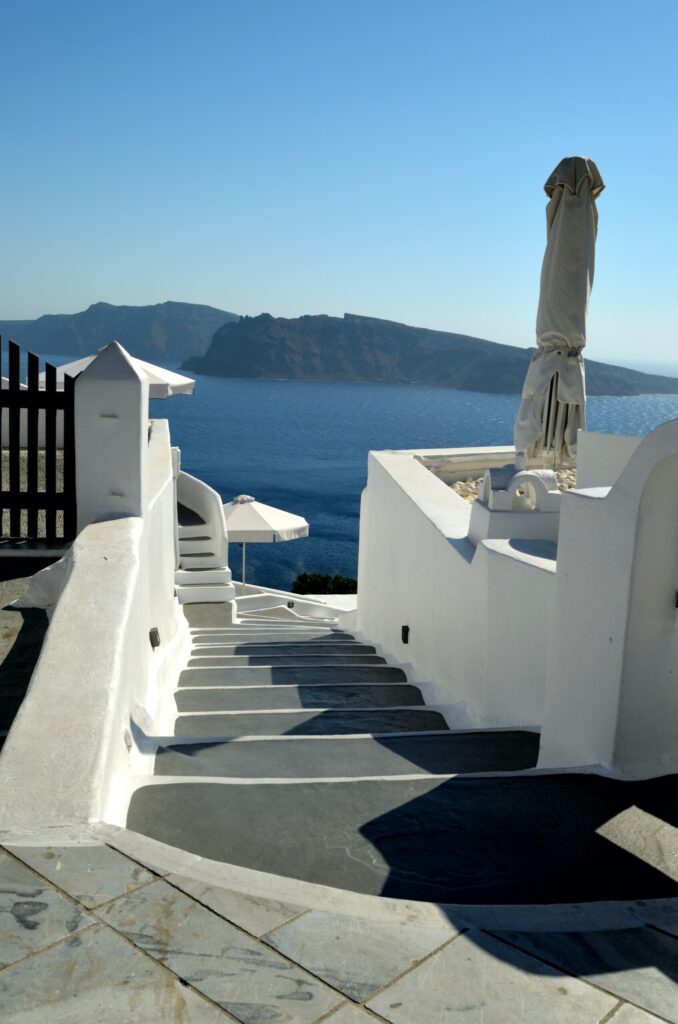
There is a particular quality of light that exists only along the Mediterranean coast. It arrives in the early morning, soft and diffuse, turning the surface of the sea into something that looks less like water and more like hammered silver. By midday it is sharp and absolute. By evening, it has softened again into something warm and amber, and the whitewashed walls of whatever town you’re in seem to glow from within.
This is not just aesthetic detail. For the buyers we work with at AzurianCoast — people who have seen enough of the world to know what they’re looking for — the quality of light matters. So does the sound of the sea from a terrace at dawn. So does the particular texture of a stone staircase that has been worn smooth by a thousand years of footsteps.
Mediterranean oceanfront living is not a category of real estate. It is a way of being in the world. And the coastlines that offer it most fully are worth understanding in depth.
The Mediterranean Coast: A Buyer’s Overview
The European Mediterranean stretches from the Strait of Gibraltar to the eastern shores of Greece — thousands of kilometres of coastline encompassing dozens of distinct cultures, microclimates, architectural traditions, and property markets. No two sections of it are alike.
What they share is a set of qualities that have made this region the world’s most sought-after coastal destination for centuries: a climate that is genuinely liveable for most of the year, a cultural density that rewards slow exploration, a cuisine rooted in the sea and the land, and — for the international buyer — a legal framework that, across all EU Mediterranean countries, provides meaningful protection and clarity.
What differentiates one coastline from another — and what ultimately determines which is right for a specific buyer — is a more nuanced question. One that deserves careful consideration rather than a quick answer.
The Greek Coast: Where the Mediterranean Still Feels Undiscovered
Greece occupies a singular position in the European coastal property landscape. It is simultaneously ancient and emergent — a country with one of the oldest continuously inhabited coastlines on earth, and a property market that is, by the standards of Western Europe, still in early development.
The implications of this for the thoughtful buyer are significant. Values in many parts of the Greek coast remain well below their natural ceiling. Infrastructure is improving steadily. International interest is growing. And the experience of being there — on a quiet island where the taverna closes at midnight and opens again when the fishing boats return — is unlike anything available in the more developed coastal markets.
The Greek islands: a hierarchy of experience
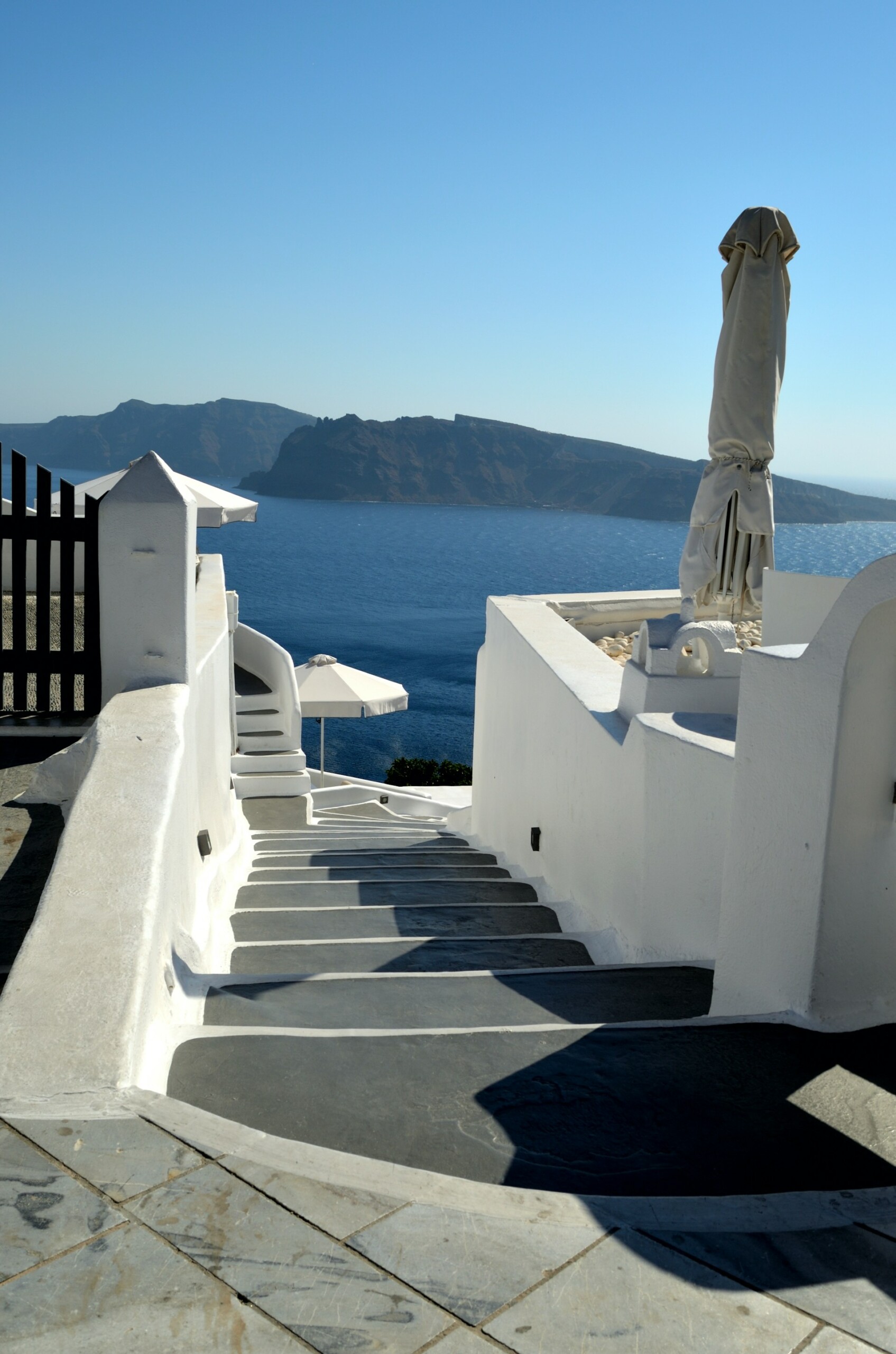
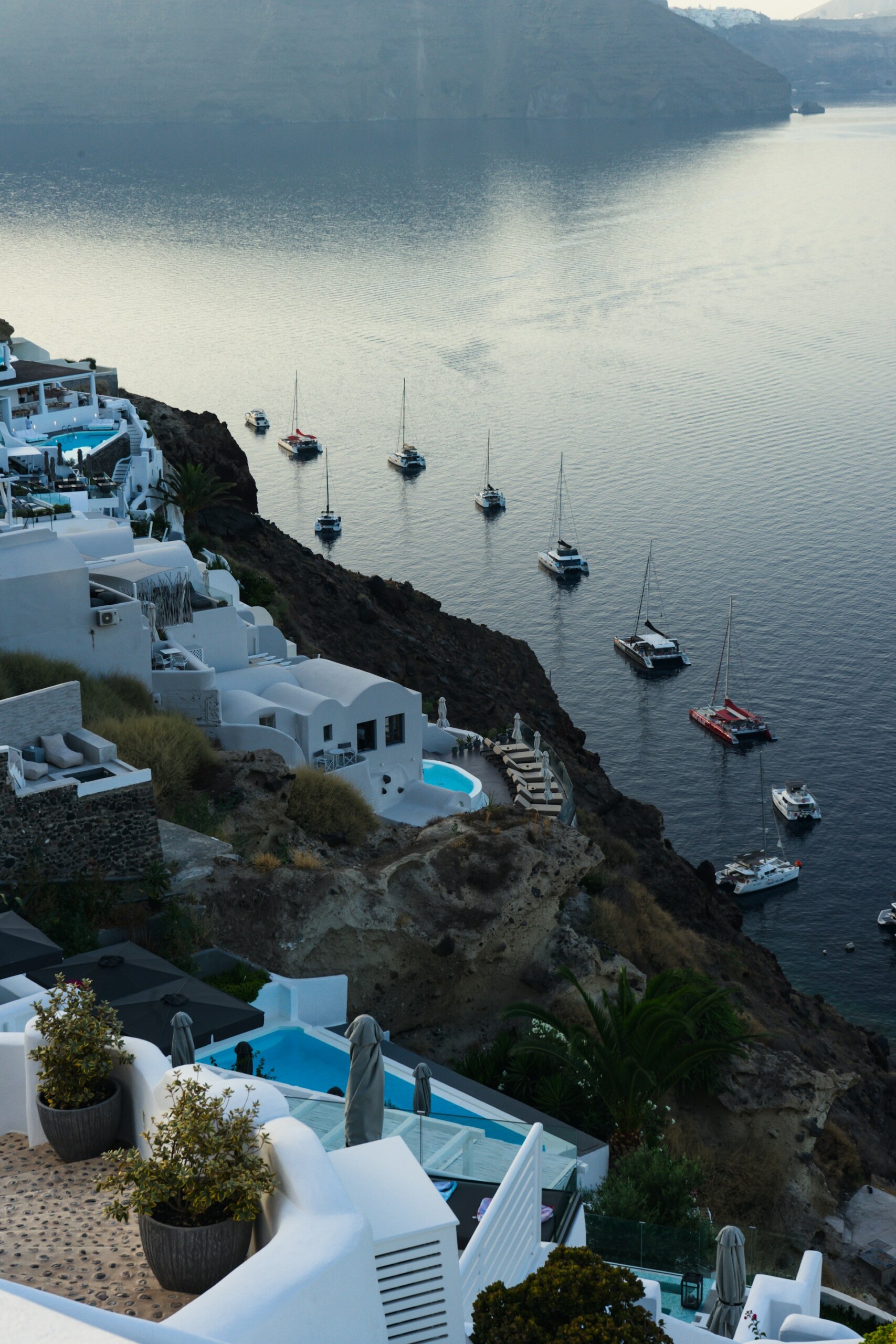
The Cyclades — Mykonos, Santorini, Paros — are globally famous and priced accordingly. They offer genuine beauty and strong rental demand, but the mass tourism that defines their summers is not everyone’s idea of coastal living at its finest.
The Ionian Islands — Corfu, Kefalonia, Lefkada, Zakynthos — offer a softer, greener version of Greece, shaped by centuries of Venetian influence. The architecture is different here, the landscape more lush, the pace more relaxed. Property values are more accessible, and the islands have a loyal international following that tends toward long-term commitment rather than seasonal interest.
Crete stands apart from both. As Greece’s largest island — large enough to have its own distinct culture, cuisine, and interior landscape — it offers something the smaller islands cannot: the possibility of genuine year-round life. The western end of the island, around Chania and Rethymno, combines extraordinary natural beauty with a functioning local economy and improving connections to the rest of Europe.
The mainland coast — particularly the Peloponnese, with its dramatic peninsulas and ancient harbour towns — remains the least discovered of all. For buyers who prioritise authenticity and value over convenience, it deserves serious consideration.
The Italian Coast: Living Inside a Work of Art
To own property on the Italian coast is to participate in something that has been going on for a very long time. The Romans built their villas here. The Venetians built their trading ports. The Bourbons built their palaces. Every era has left its mark, and the result is a coastline of almost overwhelming cultural richness.
For the international buyer who values that richness — who wants their property to feel like it has been there for centuries, because it has — the Italian coast offers something no other Mediterranean destination can match.
Southern Italy: the case for going further
The Amalfi Coast is among the most photographed places on earth. Its property values reflect this. But the argument for looking further south — into Calabria, into the Salento heel of Puglia, into the quieter parts of Sicily — is compelling.
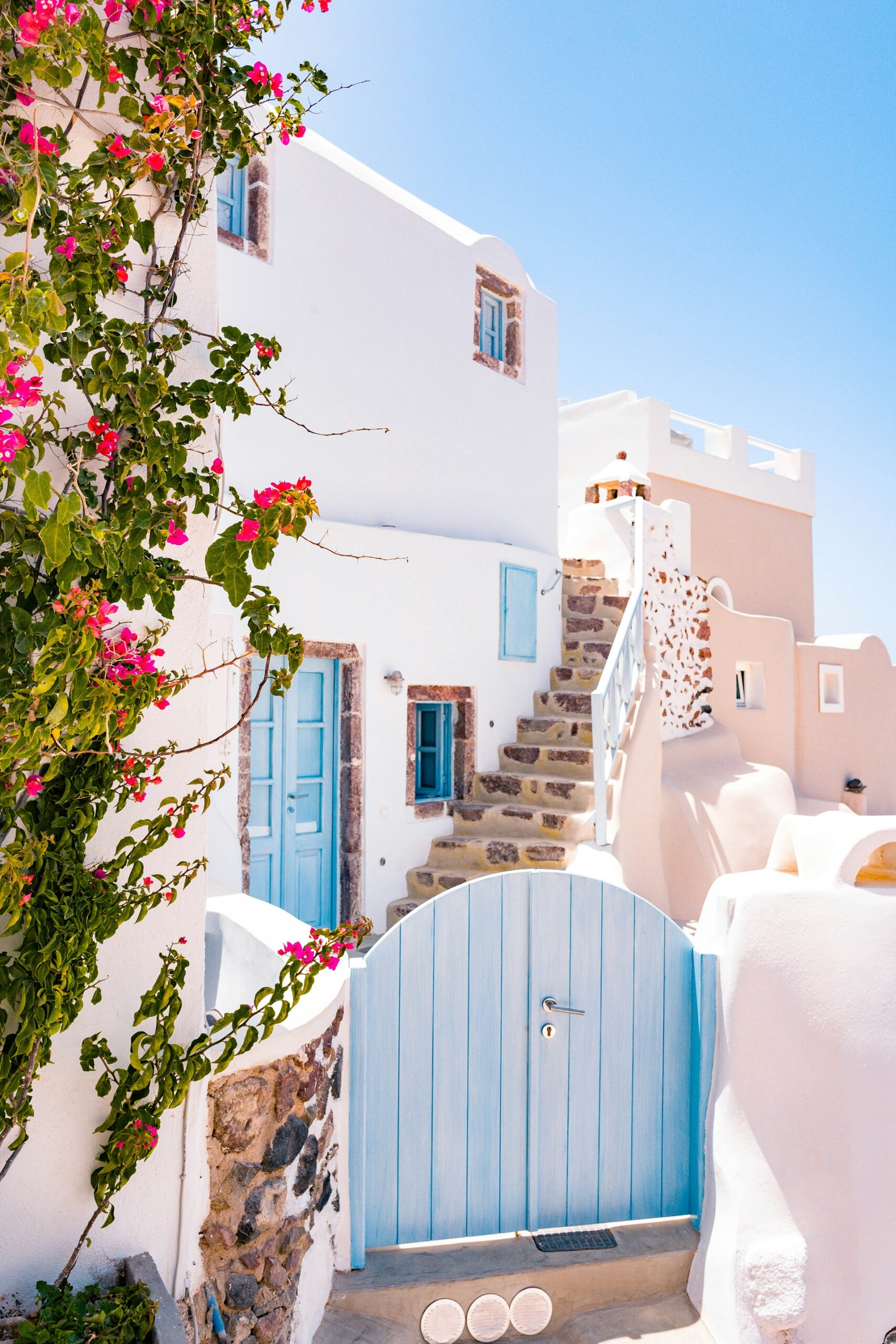
Puglia has become, over the last decade, the standard answer to the question of where to find value in Italian coastal property. The white limestone towns of the Valle d’Itria, the long straight beaches of the Salento coast, the baroque architecture of Lecce — all of this, combined with property values that remain accessible by Western European standards, has made it one of the most discussed coastal destinations in Europe.
Sardinia occupies its own category entirely. This is an island with a fierce sense of its own identity, a landscape that moves between dramatic granite mountains and Caribbean-coloured sea, and a property market that ranges from some of the most expensive addresses in Europe (the Costa Smeralda) to genuinely undervalued pockets in the west and south.
The Spanish Coast: Confidence and Continuity
Spain’s Mediterranean coast is the most mature coastal property market in Europe, and maturity brings specific advantages. The legal framework is well-tested. The infrastructure is excellent. The international buyer community is large and established, which means everything from specialist lawyers to international schools to private medical care is readily available in the main centres.
For buyers who want the Mediterranean experience without the friction of navigating a less developed market, Spain offers something the Greek and Italian coasts cannot yet fully match: a complete ecosystem for international living.
The Costa del Sol and beyond
Marbella remains the gravitational centre of Spanish coastal luxury property — a city that has spent fifty years building an infrastructure for international high-net-worth living and has done it well. The Golden Mile, Nueva Andalucía, La Zagaleta: these are addresses with genuine global recognition and property values that have proven remarkably resilient.
But the Spanish coast is longer and more varied than its most famous stretch. The Costa Blanca — Jávea, Moraira, Altea — offers a quieter, more authentically Spanish version of coastal living at significantly lower price points. The Balearics, particularly Mallorca, have evolved into one of Europe’s premier island destinations, with a property market that attracts serious international capital and shows no signs of softening.
What Separates a Good Coastal Property from a Great One
Across all three coastlines, the factors that distinguish truly exceptional coastal properties from merely good ones are consistent — and they are worth understanding before beginning a search.
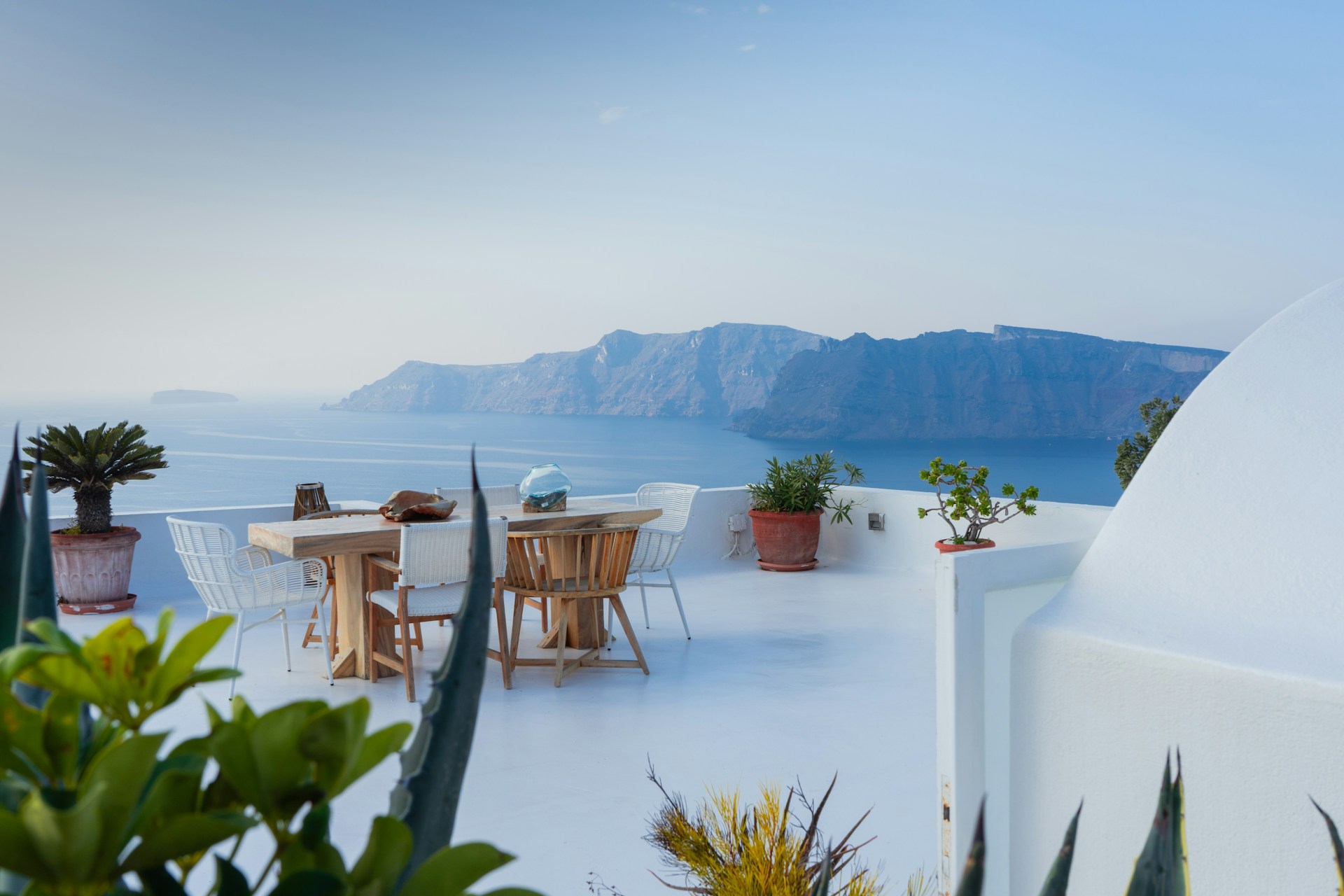
The relationship with the sea. Not just proximity, but orientation, elevation, and the quality of the view. A property that faces west catches the sunset over the water. A property on a headland has views in multiple directions. A property at the right elevation sees the sea without the road, the car park, or the neighbouring building that will eventually be built between it and the water.
The quality of the silence. The Mediterranean coast in summer is not quiet. The properties that retain their value — and their appeal — are those that manage to feel removed from the noise even when they are not geographically distant from it. Thick stone walls, mature gardens, careful positioning: these things matter more than square footage.
The integrity of the title. This is not a romantic consideration, but it is an essential one. Mediterranean coastal properties — particularly older ones — can carry complex histories: inheritance disputes, informal extensions, planning irregularities that were never resolved. The properties worth owning are those with clean titles and no ambiguity. Finding them requires patience and the right local expertise.
The long view. The finest coastal properties are not investments in the conventional sense — assets to be traded in and out of cycles. They are long-term commitments to a place, a way of life, and a set of values about how time should be spent. The buyers who understand this tend to make better decisions than those who approach the Mediterranean purely through a financial lens.
The AzurianCoast Approach
We work with buyers who are serious about finding the right coastal property — not the first available one, and not the one that photographs best, but the one that will still feel right ten years from now.
Our network across the Greek, Italian, and Spanish coasts gives us access to properties and local knowledge that are not available through standard channels. We work quietly, with a small number of clients at a time, and we take the time to understand what each person is actually looking for — which is rarely exactly what they say they’re looking for at the beginning of the process.
If you are considering Mediterranean oceanfront living and want to approach the search with the seriousness it deserves, we would be glad to begin a conversation.
Frequently Asked Questions
Which Mediterranean coastline offers the best long-term investment value?
All three have delivered strong long-term returns for buyers who purchased quality properties in good locations. Greece currently offers the most attractive entry values relative to long-term potential. Spain offers the most liquidity and the most established market. Italy offers the strongest cultural premium for properties with genuine heritage character. The best investment is the one in the location you understand most deeply.
What does “oceanfront” mean in the Mediterranean context?
The Mediterranean is technically a sea, not an ocean — but the term “oceanfront” in the international property market refers to any property with direct access to or unobstructed views of open water. First-line properties — those with no other development between them and the sea — command a meaningful premium and tend to hold their value more strongly over time.
How do I find properties that aren’t publicly listed?
The finest coastal properties rarely reach the open market. They are sold quietly, through networks of trusted agents and advisors who work with motivated sellers before a property is formally listed. Access to these opportunities requires established relationships in the local market — which is precisely what a well-connected advisor provides.
What is the minimum budget for a serious Mediterranean coastal property?
This varies dramatically by location. In parts of Greece and southern Italy, genuinely beautiful coastal properties can be acquired from €200,000–€300,000. In Marbella or Mallorca, serious oceanfront properties typically begin at €1,000,000 and rise steeply from there. The relationship between budget and location is the first thing to clarify when beginning a search.
How important is rental income to the investment case?
For some buyers, rental income is central to the financial model. For others, it is irrelevant. The Mediterranean coastal market can support both approaches — but the regulatory environment for short-term rentals has become more complex in recent years, particularly in Spain. Any investment case that relies on rental income should be stress-tested against current licensing requirements in the specific location.
What does the purchase process look like for international buyers?
In all three countries, the process involves identifying the property, conducting legal due diligence, negotiating terms, signing a preliminary agreement (with a deposit), and completing the transfer before a notary. The timeline varies from six weeks in Spain to several months in Italy. Throughout the process, an independent lawyer — separate from the selling agent — is essential.