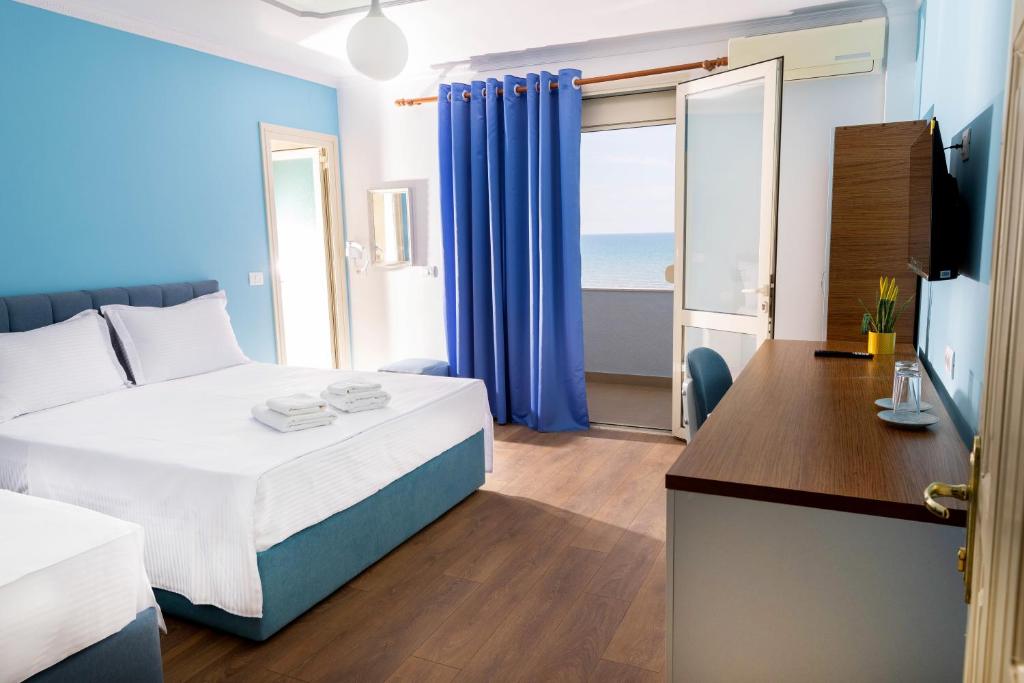
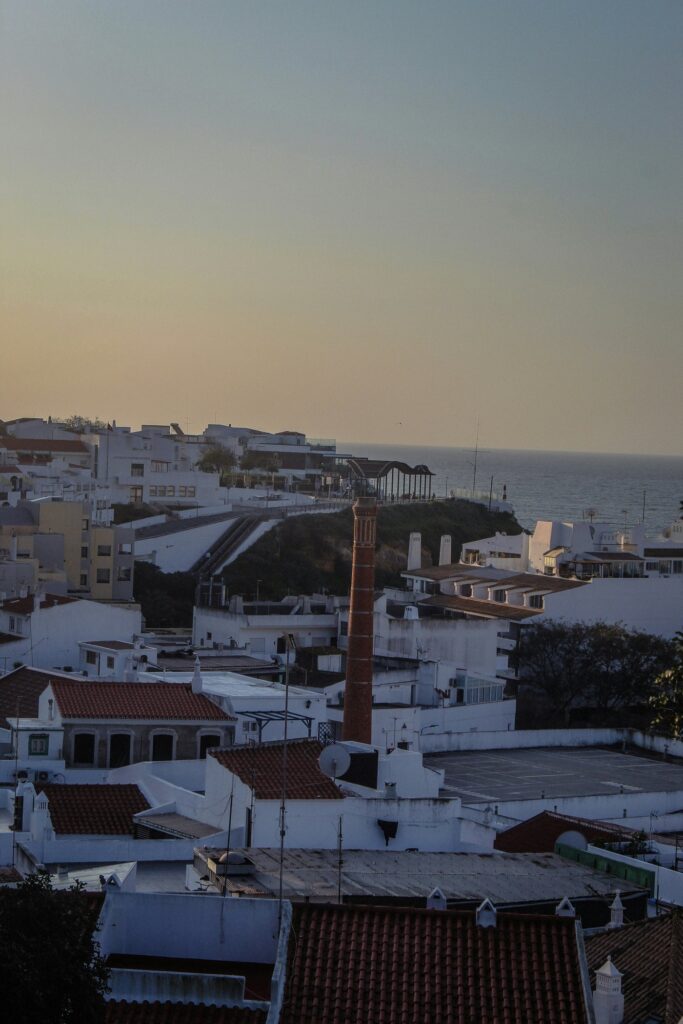
In a Spanish coastal town, a flat can no longer be advertised without a registration number. In a small Italian town, the owner of a third rental flat crosses a line, and by law is no longer a private individual. On a Greek island, the permit does not pass to the new owner. In a Croatian village, a house left empty costs a few hundred euros a year.
Four countries, four separate legislatures, four different reasons. Yet the move is the same. Over the past two years, Europe has redrawn a line, and the line does not run between domestic and foreign owners. It runs between the person who lives in a property and the person who operates it.
If you are thinking about a second home in Europe, this line matters more than the price per square metre. The price can be negotiated. This line cannot.
IN SHORT
- Europe is drawing a line between the person who lives in a property and the person who operates it.
- Spain, Italy, Greece and Croatia use different tools: a registration number, a tax tier, a territorial ban, a per-square-metre tax.
- EU Regulation 2024/1028 gives short-term rental registers a common framework from 20 May 2026.
- Five questions before buying decide more than the price per square metre.
Spain: the number without which a listing does not exist
On 23 December 2024, Spain adopted Royal Decree 1312/2024, which created a single register of short-term rentals and a digital one-stop system for it. The decree came into force on 2 January 2025 and has been fully operational since 1 July 2025.
In one sentence: a flat meant for short-term rental cannot be offered without a registration number. Without a number, a platform must not show the listing, and platforms must regularly report to the authority who is renting out what, and for how many nights.
Update, May 2026: in its judgment of 19 May 2026 (620/2026), Spain’s Supreme Court annulled the part of the decree that set up the national registration procedure, finding that it went beyond the state’s powers. The digital one-stop system and the platforms’ duty to share data remain. In practice, the regional tourism register (for example in Valencia or Andalusia) now decides whether a flat can be let short-term. Before buying, ask the seller for this in writing and have your lawyer check it.
The first year of the system, however, showed something most buyers do not expect. In a 2025 summer ruling, the land registry office in Gandia refused to issue a registration number, because the building’s founding deed stated that the flats are for residential use and that no service or industrial activity may be set up in them. The case went to the Spanish Directorate-General for Legal Certainty and Public Faith, and the decision was upheld.
So a flat can meet every official requirement, and renting it out can still fail because of a single sentence in a community deed written decades ago.
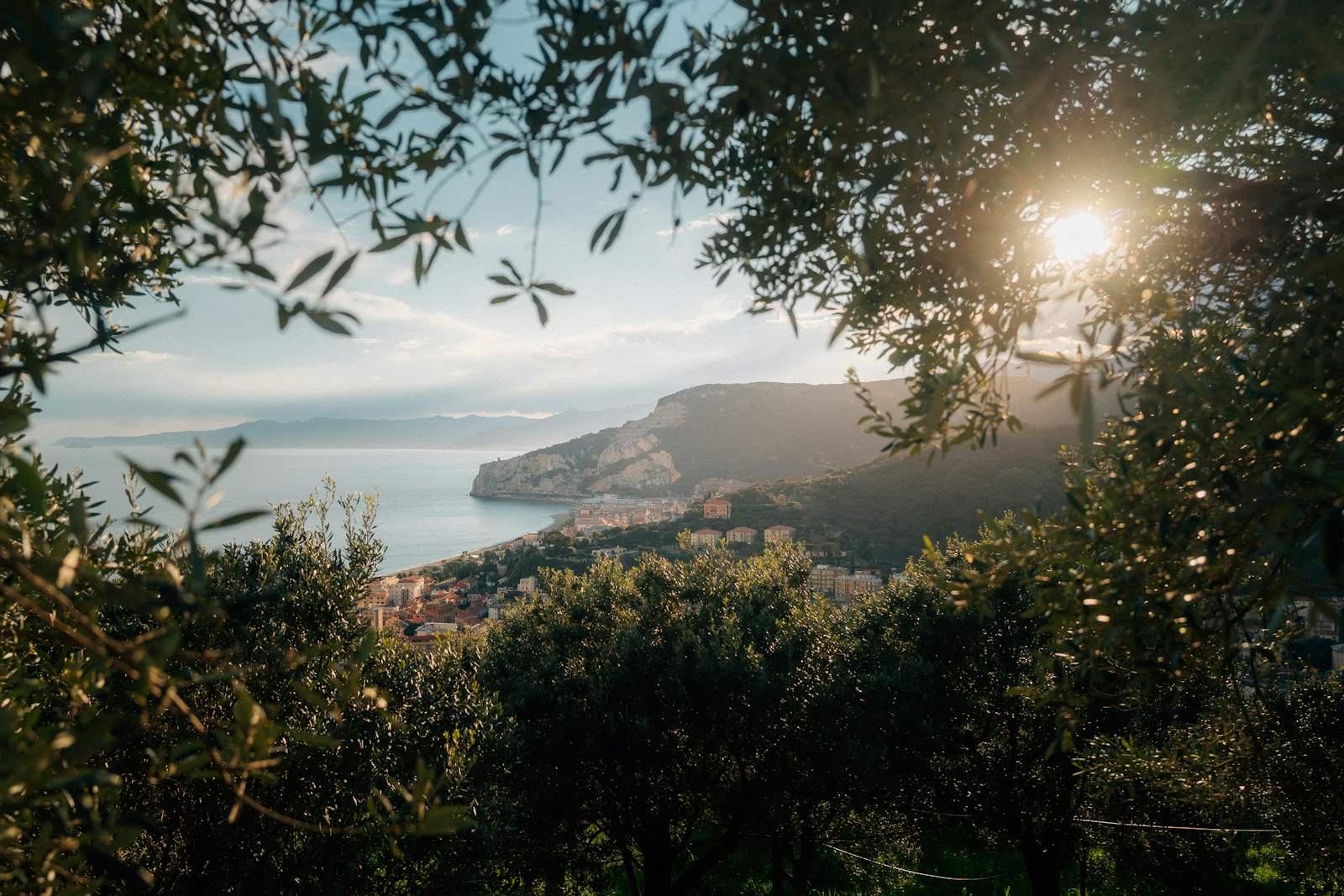
Italy: with the third flat, private status ends
In Italy, Law No. 199 of 2025, the 2026 budget law, introduced a tiered system from 1 January 2026 for the flat-rate tax on short-term rentals, the cedolare secca.
After the first property, the tax is 21 percent. After the second, 26 percent. From the third, the option ends: the activity counts as a business, and you must register for business tax purposes.
This is not a penalty but a classification. The Italian legislator marked the point where a private person’s asset management turns into a business, and set that point low. Whoever holds two flats is a private person. Whoever holds three is an entrepreneur, with all the administration that comes with it.
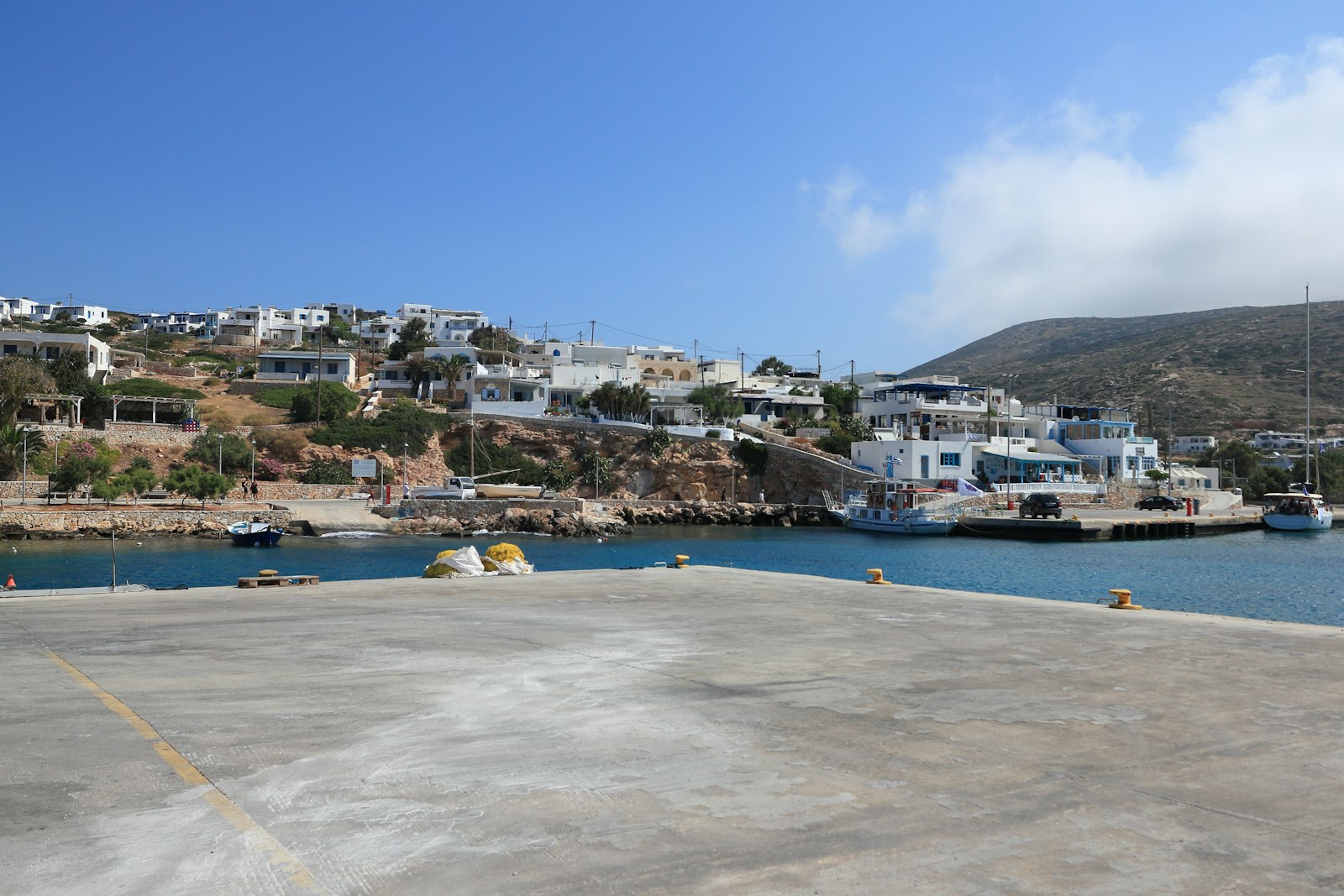
Greece: where the permit does not transfer
Greece drew the same line two years earlier, at the same number. Under Law 5073/2023, for income earned from 1 January 2024, short-term rental of three or more properties counts as a business activity and is subject to 13 percent VAT. For one or two properties, the rental falls outside the scope of VAT.
The Greek case adds one more layer, and it is the layer worth knowing at the moment of purchase. In three inner districts of Athens, the historic centre, the Metz and Pangrati area, and Petralona and Thiseio, new short-term rental registrations are not accepted, and the ban has been extended into 2026. From 1 March 2026, the inner district of Thessaloniki joined: of the city’s roughly 7,500 listings, about 4,800 fall inside the restricted area.
And here is the sentence that directly affects the value of a purchase: in the restricted areas, an existing registration does not pass on when ownership changes. Neither through a sale nor through inheritance. The registration is deleted when the owner changes, and a new one cannot be requested.
So anyone looking at a Greek flat advertised as a working rental must ask exactly this: will this operation stay in my name? At several city-centre addresses, the answer today is no.
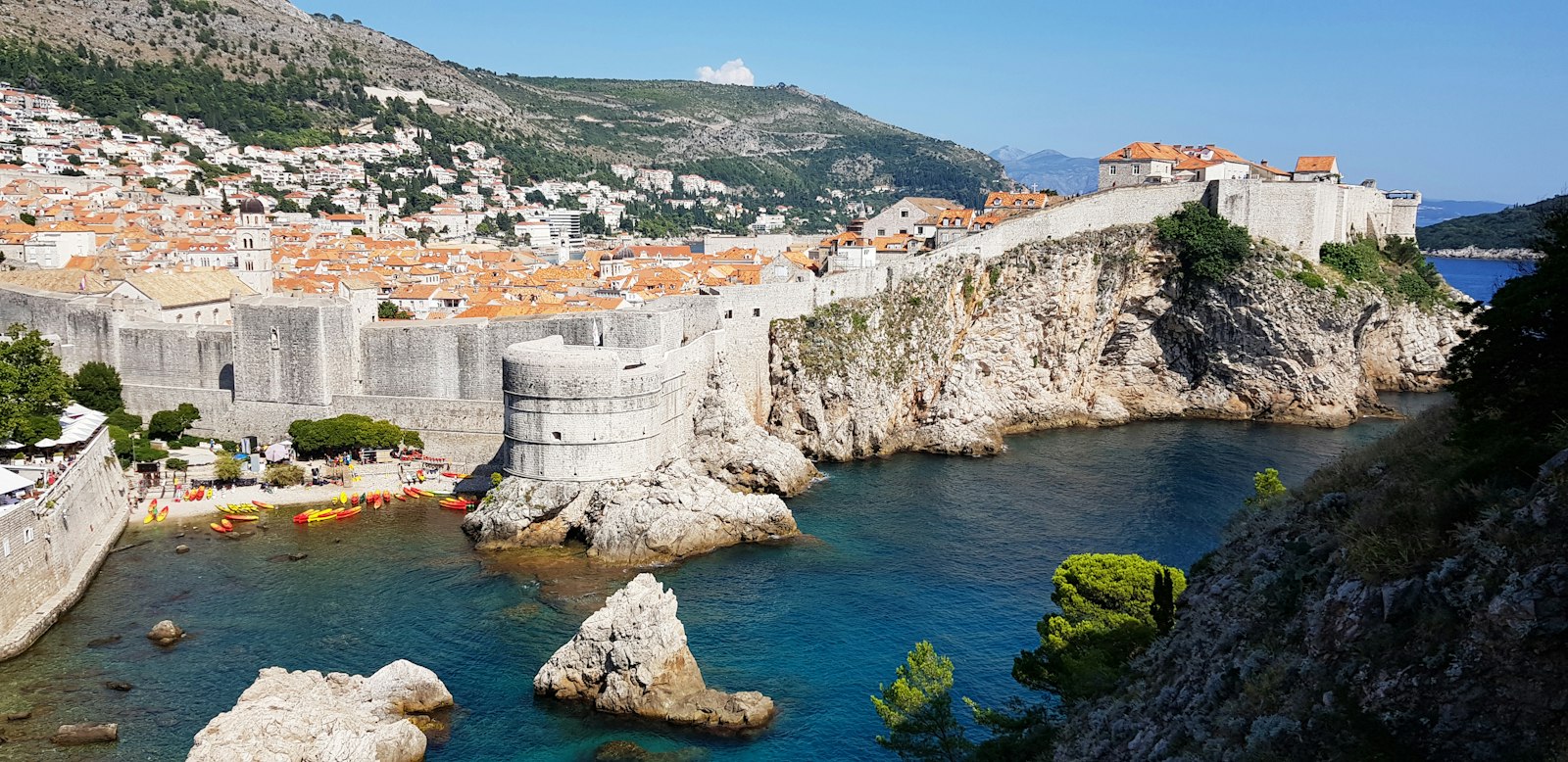
Croatia: where emptiness itself costs money
Croatia approaches the same line from the other direction. It does not tighten rentals first. It puts a price on vacancy.
From 2025, every Croatian municipality must levy a property tax, in a range of 0.60 to 8.00 euros per square metre per year, with the rate set by the local council. The tax applies to empty but habitable property, the classic holiday home, and short-term tourist rental. Exempt are a property with a registered permanent residence, a flat let for permanent residence under a lease reported to the tax authority for at least ten months of the year, and a building that is not habitable.
The weight of the local decision is clear on the coast. Zadar adopted the statutory minimum, 0.60 euros. Rijeka, according to its official notice, charges 5.00 euros. Split raised its rate from 1.99 to 5.00 euros from 1 January 2026. The same 120-square-metre house costs 72 euros a year in one city, and 600 in another.
From 2026, rental rules also tighten: in a condominium, a permit requires the consent of two thirds of the neighbours. We cover the Croatian details in a separate practical guide on horvatingatlanok.com (in Hungarian).
What they have in common
Four countries, four legal systems, four political debates. The tools differ: a registration number in Spain, a tax rate in Italy, a territorial ban in Greece, a per-square-metre tax in Croatia. The logic is the same: Europe is making the home cheaper, and the operation more expensive.
There is also a common framework. EU Regulation 2024/1028 applies from 20 May 2026 and gives a single structure for registering short-term rentals. Each property gets a unique registration number. Platforms must display and verify that number, run spot checks to find illegal listings, and send monthly data on guest nights through a single national entry point in each member state.
One clarification belongs here, because the press often skips it: the regulation does not oblige member states to introduce a registration system. It says that if they introduce one, or ask for data, they must use this common framework. The tightening therefore does not come from Brussels. Brussels gives a form to what member states are doing anyway.
The direction is still readable. The materials of the European Commission’s affordable housing package say plainly that in tight housing markets, some forms of non-primary use of homes make life harder for people looking for a permanent home. They add that national authorities are already acting, with rules on short-term rentals, second homes and empty homes.
It is important to say that this is a proposal today, not law in force. But even a proposal is a signal: it shows which way the regulatory environment is moving over the coming years.
What this means for someone choosing now
The classic model, buy, use in summer, rent out in between, leave empty the rest of the year, now carries more burdens in all four markets than it did five years ago. It is not impossible. But it depends on permits, local decisions and condominium consents that keep changing, and the owner controls none of them.
The model in which the property is genuinely lived in carries almost none of these burdens. The owner spends a large part of the year there, works from there, and has a registered residence or a properly registered long-term tenant. And this is not a loophole. It is exactly the stated intent of the system.
In practice, this means five questions before buying, and none of them is about the property itself:
- How many months would I really spend there? This is the one item you fully control, and in all four countries it decides the classification.
- A condominium flat or a detached house? In Spain the founding deed, in Croatia two thirds of the neighbours can decide on renting. With a detached house, the question does not arise.
- How many properties would I hold in total? In Italy and in Greece, the third property moves the owner into the business category.
- If I rented it out, short or long term? A long-term, properly registered lease is treated more lightly everywhere. In Croatia it explicitly grants an exemption.
- Does what the listing promises pass on to me? In the restricted areas of Greece, it does not. This must be clarified before the sales contract, not after.
The Azurian Coast view
In the purchases we accompany, we treat the local permit and tax environment as part of the decision, just like orientation or distance from the sea. Not because the sums are large, in many cases they are not, but because they show what kind of use a town considers viable, and what it will narrow in the coming years.
From this follows a point we carry through with every client: a coastal property pays off in the long run if it can work in more than one way. To live in, to work from, to rent short or long term, and finally to sell on. A property like that withstands every regulatory turn. One whose whole logic rests on a single permit does not.
If you are thinking about a second home in Europe and would like to see the local conditions clearly, before any viewings, we are happy to start a conversation.
Frequently asked questions
Do foreign buyers get worse terms in Europe?
The rules discussed here do not distinguish by nationality but by use. They apply equally to local and foreign owners. The difference comes from the fact that foreign-owned properties more often stand empty or operate as holiday lets, so they more often fall on the stricter side.
Is short-term rental being banned in Europe?
There is no general ban. There are territorial bans, for example in three inner districts of Athens and, from March 2026, in the centre of Thessaloniki. Elsewhere there are registration, tax and condominium conditions. The trend is tightening, but it differs from city to city, and even from street to street.
What exactly does the EU regulation mean from May 2026?
It provides a common framework: a unique registration number for each property, which platforms must display and verify, and monthly data that platforms must send to the authority. The regulation does not oblige member states to introduce a register. It sets out how they must do it if they do.
From how many properties am I considered a business?
In both Italy and Greece, from the third property. In Italy, from 1 January 2026, a business tax registration is required from the third. In Greece, since 2024, renting out three or more properties counts as a business activity, with 13 percent VAT. Always go through the specific tax consequences with a local accountant.
Which country is the most favourable today?
There is no country-level answer, and anyone who gives one is oversimplifying. The key decisions are made at municipal level: the Croatian per-square-metre tax is set by the council, the Greek ban applies by district, and the Spanish obstacle may sit in a condominium deed. So the question is not which country, but which town, and for what use.
Can these rules still change?
Yes, and they do. Croatian municipalities decide on the tax rate every year, Greek restrictions are extended and widened year by year, and Italian rates move with the budget law. So do not build the decision on a figure that is valid for a single year. Build it on whether the property can bear several uses.
ONE PROPERTY FROM OUR LISTINGS
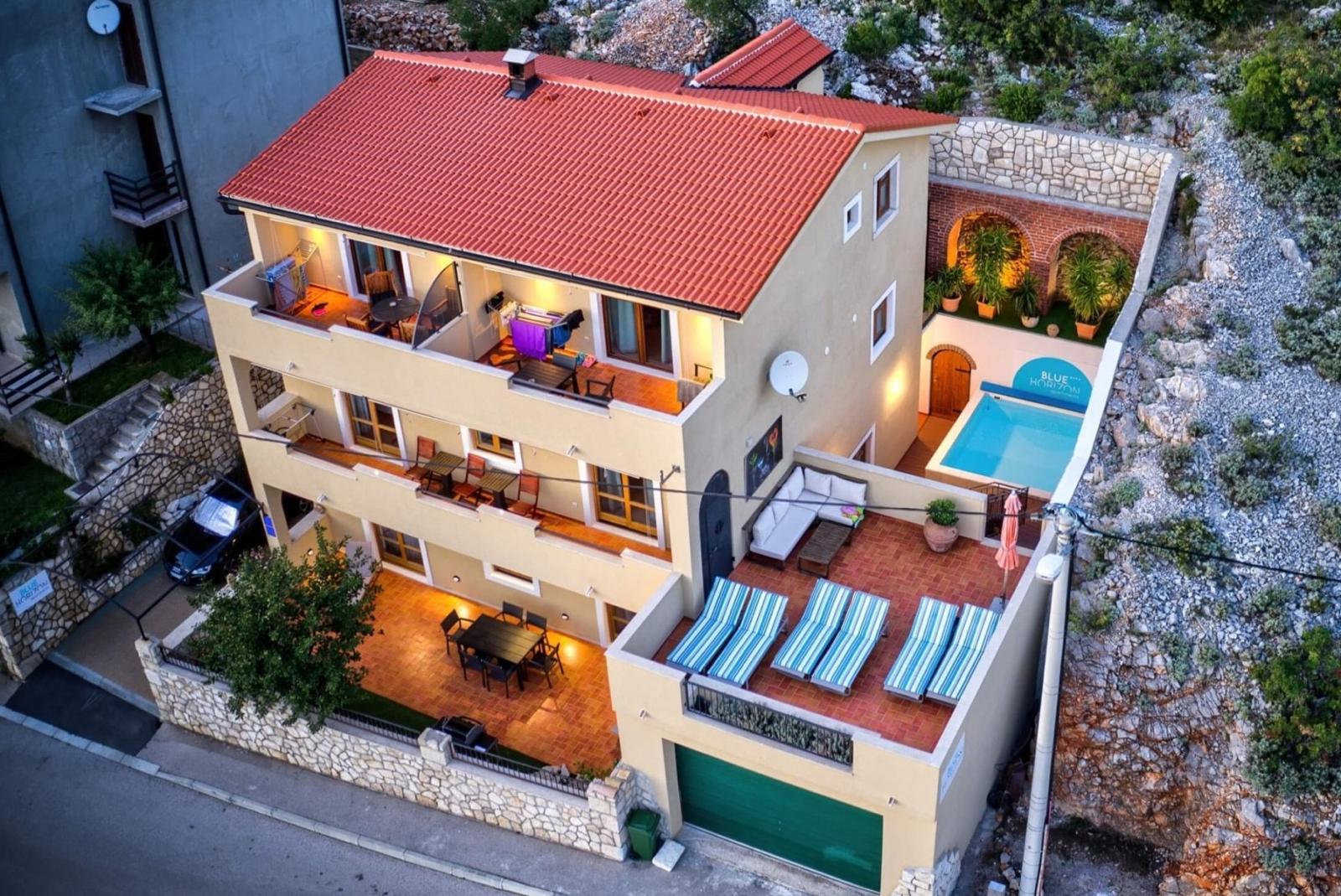
Apartment building in Senj, on the Croatian coast
If rental units matter to you: this house in Senj has apartments and guest rooms, with a saltwater pool. Photos and details are on the property page.
Keep reading
- Buying a Coastal Home Abroad: The Costs Beyond the Price
- The Coast as a Second Base: What a Place Needs to Work and Live
- Mediterranean Property Yield: The Numbers the Listing Does Not Show
Sources (checked: 11 November 2026): BOE – Real Decreto 1312/2024; Notarios y Registradores – Tribunal Supremo 620/2026; Confedilizia – Legge 199/2025; Zepos & Yannopoulos – Law 5073/2023; BnB News – Athens AMA freeze; Porezna uprava – porez na nekretnine 2025/2026.