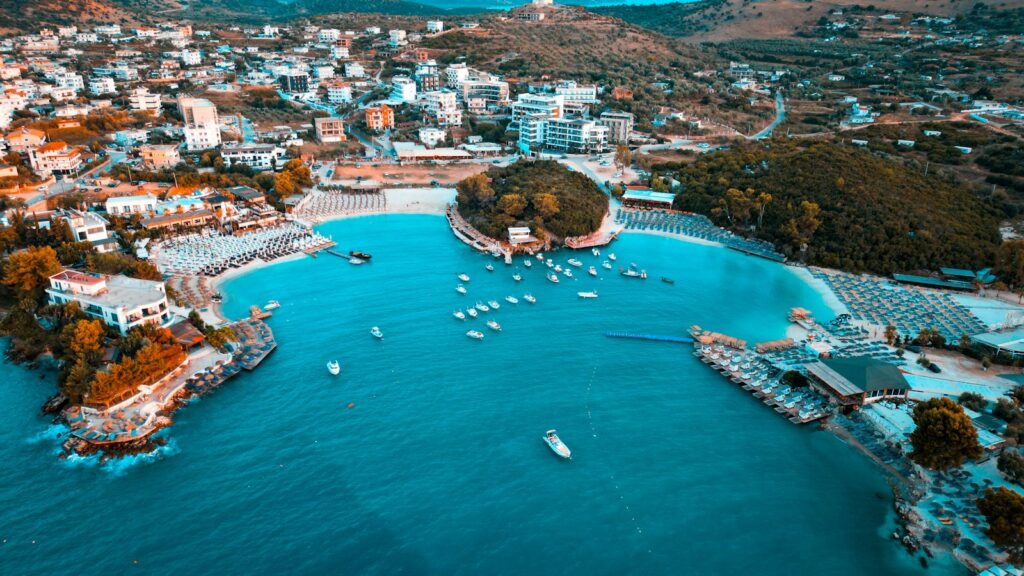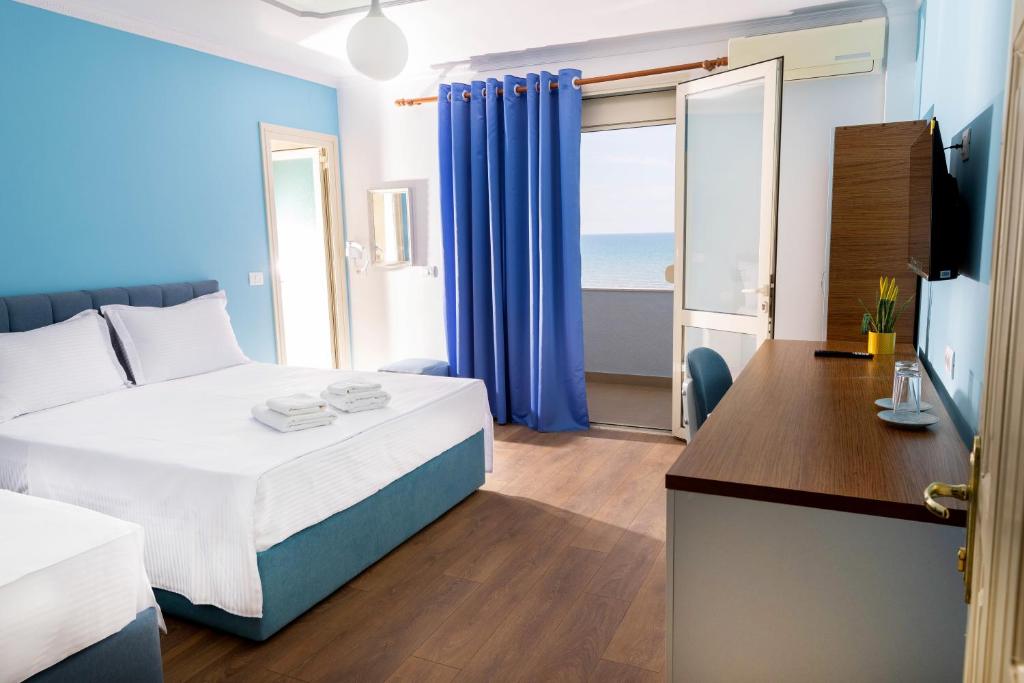
There is an hour on the Mediterranean coast when the water is still flat, the light is still soft and the beach is almost empty.
People who have sat on a terrace at that hour usually do not want to buy a view. They want that morning.
A home by the sea, though, is not one morning. It is a whole year: winter, the weeks after the season, ordinary weekdays.
IN SHORT
- The Mediterranean coast is not one place, but many different lives.
- Four questions bring you closer to a choice: winter, what “seafront” means, the costs on top of the price, and the daily rhythm.
- Photos do not answer these questions.
- Official data and a visit in person do.
What is it like in winter?
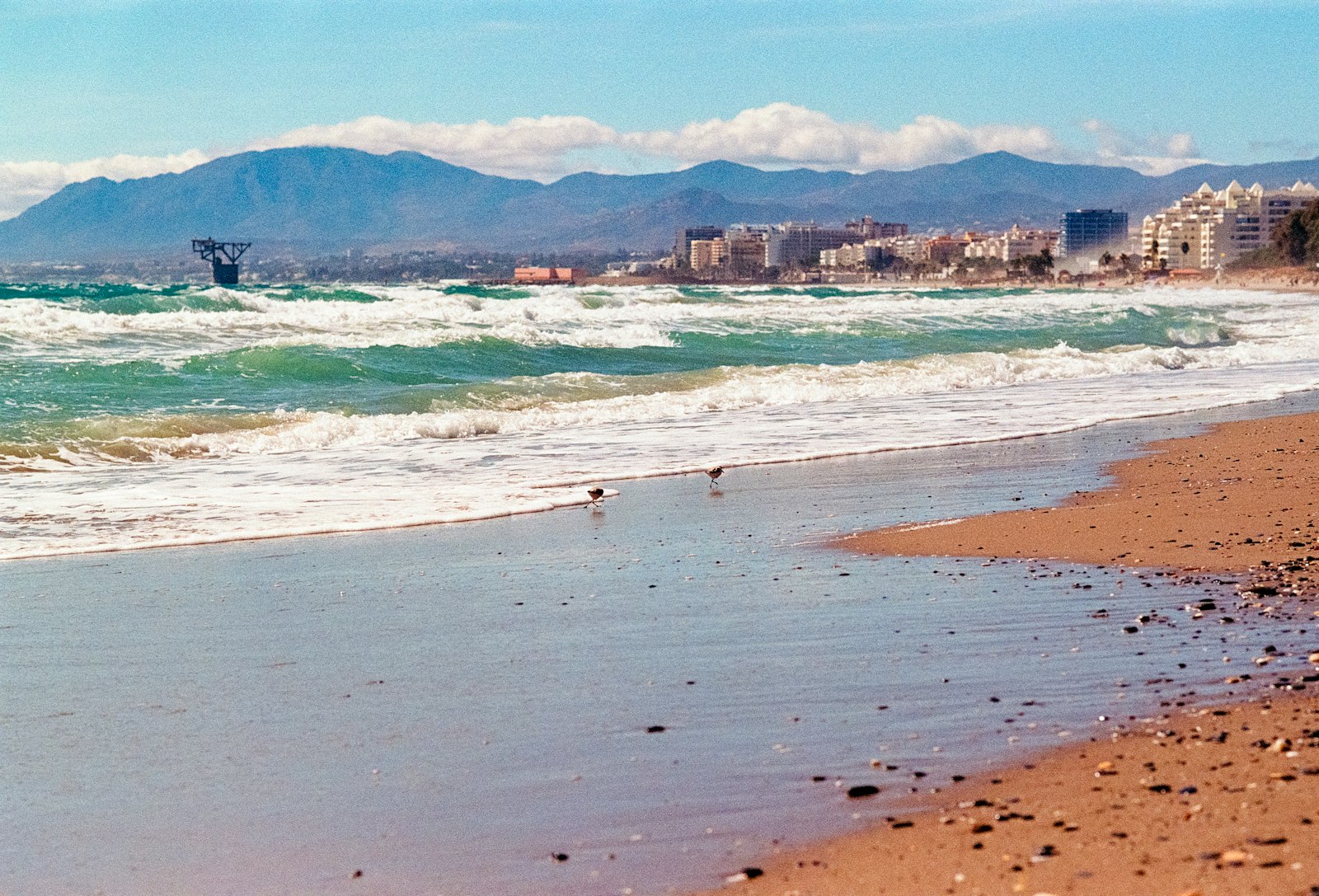
The summer picture looks similar everywhere. The difference shows in November and February.
- In some places the cafés stay open and people still walk the promenade.
- In others, the street goes quiet when the season ends.
Neither is wrong, but it matters which one you get. If you plan to spend most of the year there, the winter months are the ones to look at.
For any stretch of coast, the same check works: the long-term averages published by the national weather service of that country, not the memory of one summer week. We have written about this for the Spanish coast, and the same approach applies elsewhere.
What does “seafront” mean in the listing?
The word is wide.
- It can mean the first line, where the water starts in front of the terrace.
- It can mean a flat from which the sea is a ten-minute walk.
Both can be good decisions, but a different life comes with each: different noise, different wind, different parking, a different price.
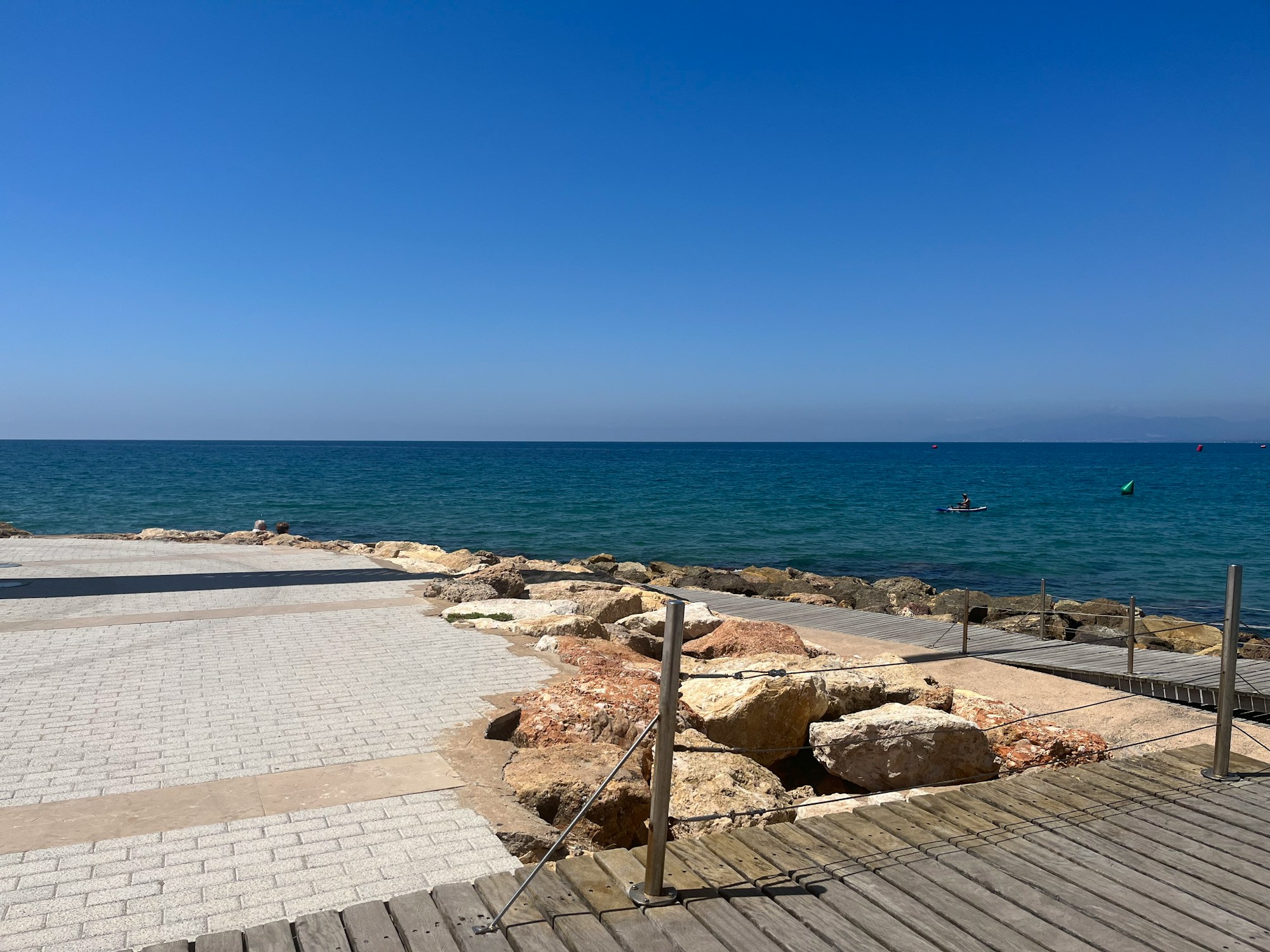
This is why our property pages give the distance and the view as separate facts, and the description only says what the partner office’s material says.
Two simple things at a viewing
- Walk from the flat to the beach as you would on an ordinary day.
- Look at the terrace at a different time of day from when the photo was taken.
How much comes on top of the price?
The cost of a home by the sea does not end with the number in the listing.
Taxes, transfer duties, notary and lawyer fees differ from country to country, and the community charges of a building with a pool work differently from those of an old building in a town centre.
We do not estimate these. Before a purchase we check them against official sources, and we give the figures together with their conditions.
Our articles on individual countries go through these costs one by one, with the official sources named in each.
What is the daily rhythm like?
Mediterranean life is decided in the everyday details: when the shops open, when the long lunch happens, when the street comes alive in the evening.
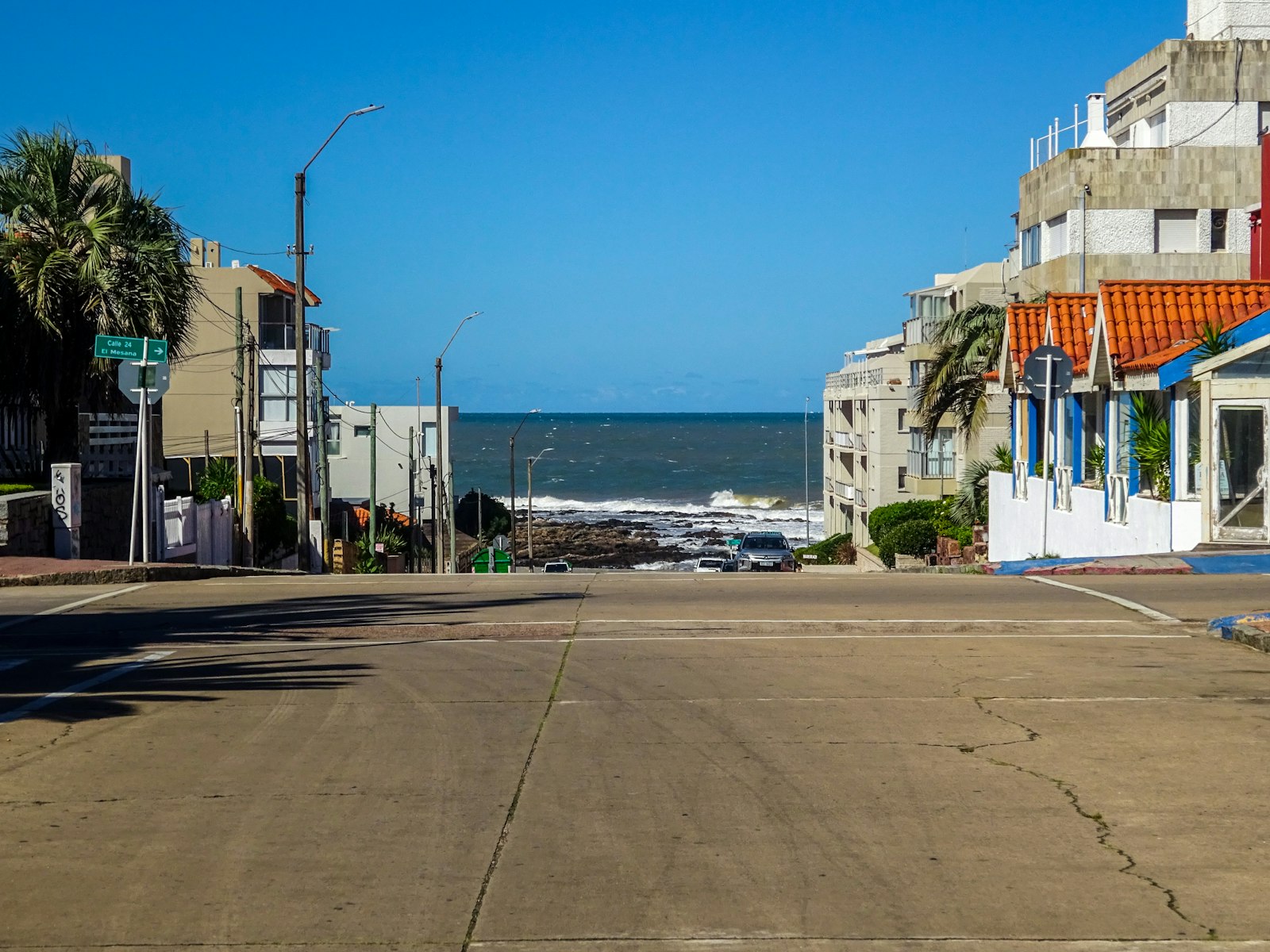
- If you enjoy that, it is the greatest value of the place.
- If you are looking for quiet, a smaller town or a street a little further from the beach may suit you better.
We wrote about this in Why Spain?, and the question comes up in every other country in the same way. For a first feel of a town, What would it be like to live in Durrës? shows how we look at a place.
How we work
Azurian Coast works with long-established local partner offices, and we stay with you from the first question to the completed purchase.
We do not promise returns and we do not rush you: the decision is yours.
We recommend having the purchase contract reviewed by a local lawyer in every case, and using a legal interpreter if the negotiations are not in your language.
The next step
If you already have a stretch of coast in mind, tell us which one it is and what you would use the home for: holidays, longer stays or a move.
From that, we can say what is worth looking at first. Write to us on the contact page.
ONE PROPERTY FROM OUR LISTINGS
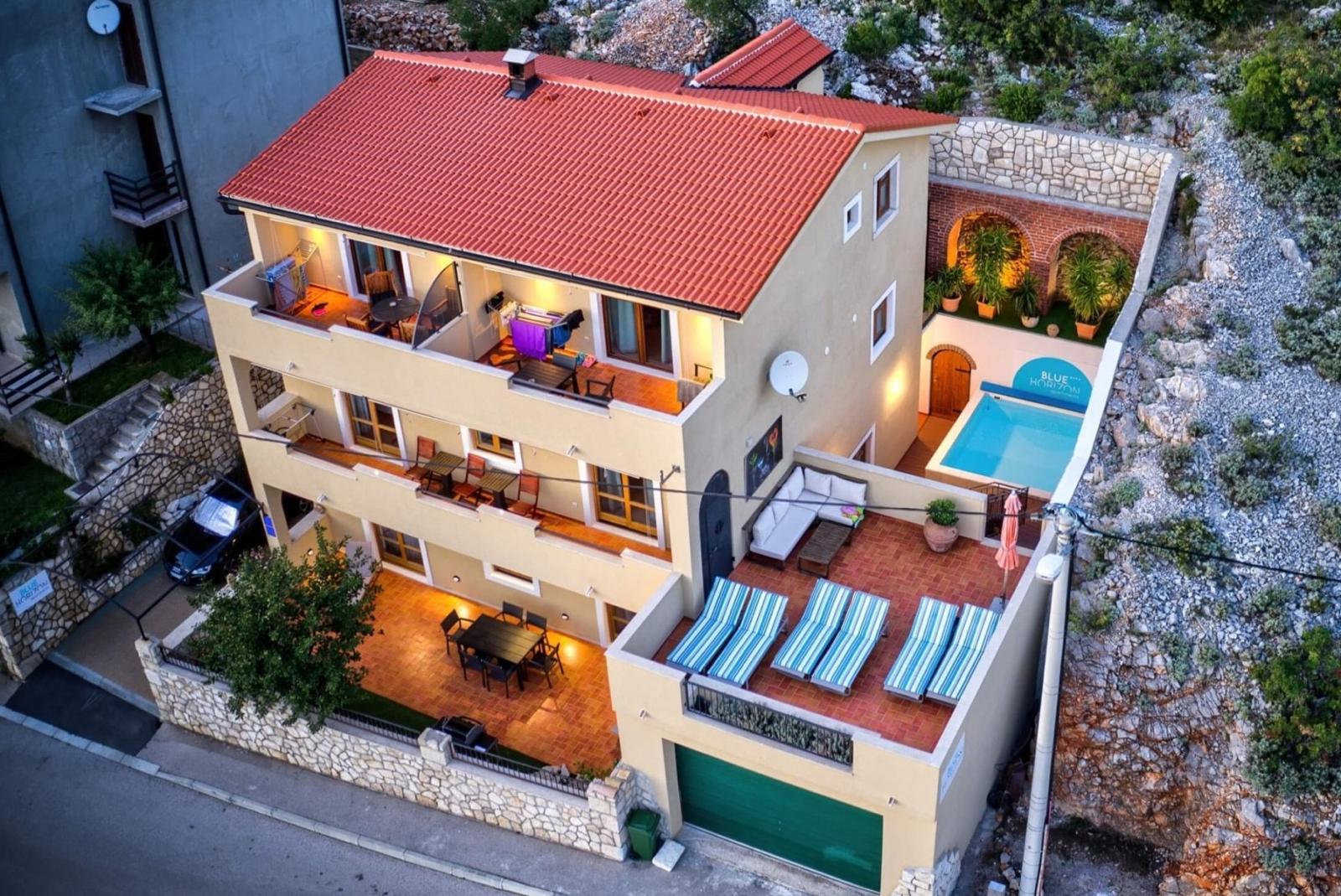
Apartment building in Senj, on the Croatian coast
If rental units matter to you: this house in Senj has apartments and guest rooms, with a saltwater pool. Photos and details are on the property page.