In Spain, Christmas does not end on 25 December. The season runs through New Year’s Eve to 6 January, and many families see the Three Kings as the main gift day. This article follows what Spain’s official tourism site says about it.
IN SHORT
- In Spain the festive season runs past New Year’s Eve until 6 January.
- Christmas Eve (Nochebuena) belongs to the family: dinner starts around ten in the evening and often goes on past midnight.
- On 22 December the Christmas lottery (El Gordo) is drawn, and many people watch it together on TV.
- 6 January, Three Kings’ Day, is a national holiday and the big day for children.
Christmas Eve: dinner late into the night
Spain’s official tourism site calls Christmas Eve (Nochebuena) a time for families to come together. Dinner starts around 10 pm and often runs past midnight. Menus may include stuffed turkey, seafood, lamb or suckling pig. Dessert is usually turrón (nougat), served with coffee or brandy.
A separate page on Christmas meals describes the structure: a tray of starters such as Iberian ham, cheeses and seafood, then a stew or soup, then a main course. Lamb, suckling pig and oven-baked fish such as bream or sea bass are named. The same page says sweet is the flavour that defines Christmas in Spain, with turrón, cookies, marzipan and the Epiphany cake. It also says each region has its own specialities.
The Christmas Lottery
On 22 December, nearly everyone in Spain buys a ticket for the Christmas Lottery (El Gordo). Families and friends gather around the television to follow the results.
Three Kings: the big day for children
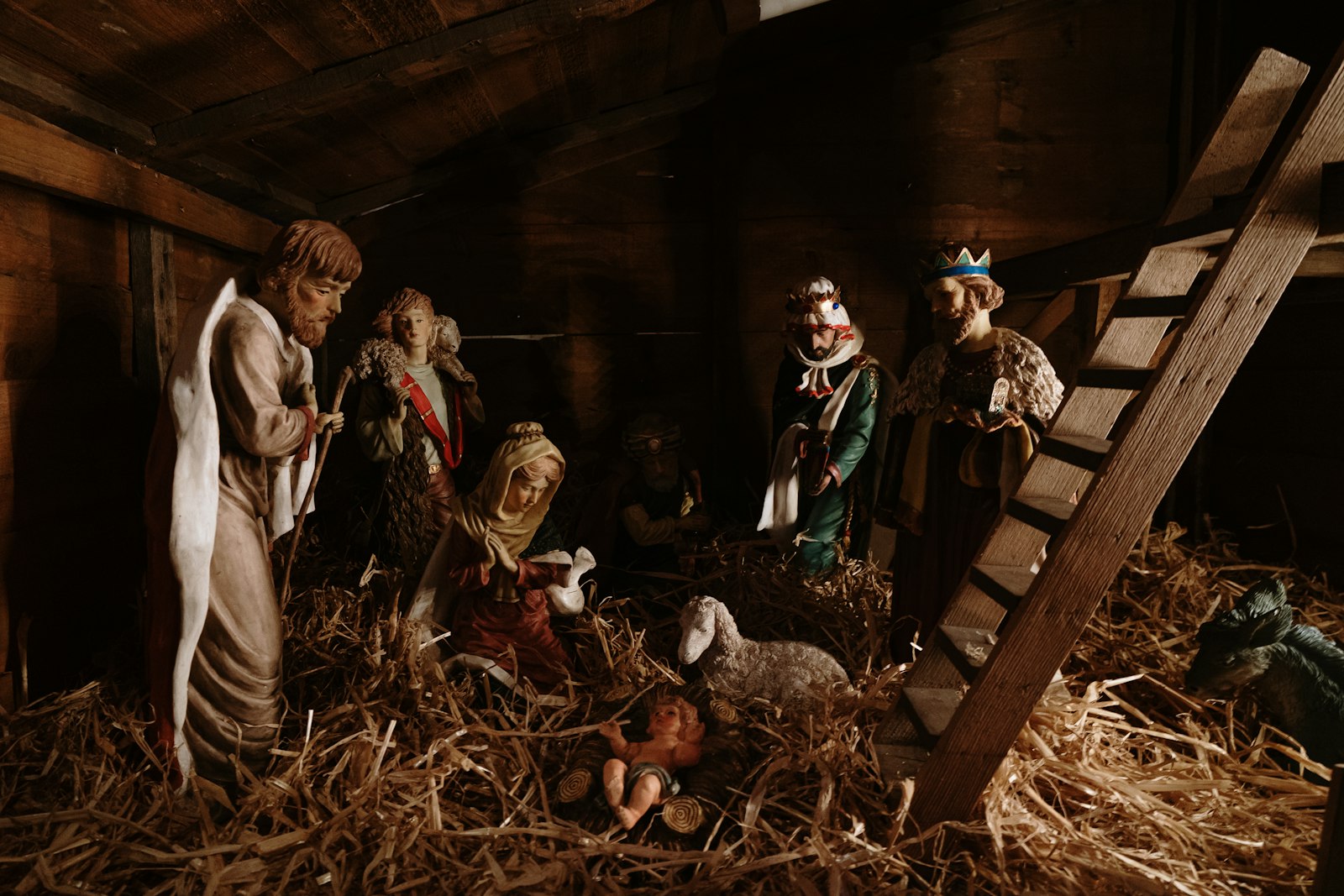
The official site marks 6 January, the Feast of the Epiphany, as the most exciting day of the year for Spanish children. It is a national holiday. Children find their presents on the morning of 6 January. The site says Father Christmas will probably leave one gift, while the main presents come from the Three Kings.
The story is re-enacted on the night of 5 January with a parade, the cabalgata. In towns and cities across the country, the Kings ride horses or camels, or appear on floats, and throw sweets to children. Dancers, musicians and puppeteers join in. The site names Alcoi in the province of Alicante as one of the towns with such a parade.
Families eat the roscón de Reyes on 5 or 6 January, a sweet ring-shaped cake. According to the site, it contains a small figure that brings good luck to whoever finds it.
What this article does not say
The sources describe Spain in general. They do not describe what is planned in any one town, and they do not say how the holidays look on the coast. Programmes for parades and events are decided by each town and often published close to the date. The official site suggests asking the local tourist office. Some of the pages we used are older press releases (2017 and 2021), so details may have changed.
ONE PROPERTY FROM OUR LISTINGS
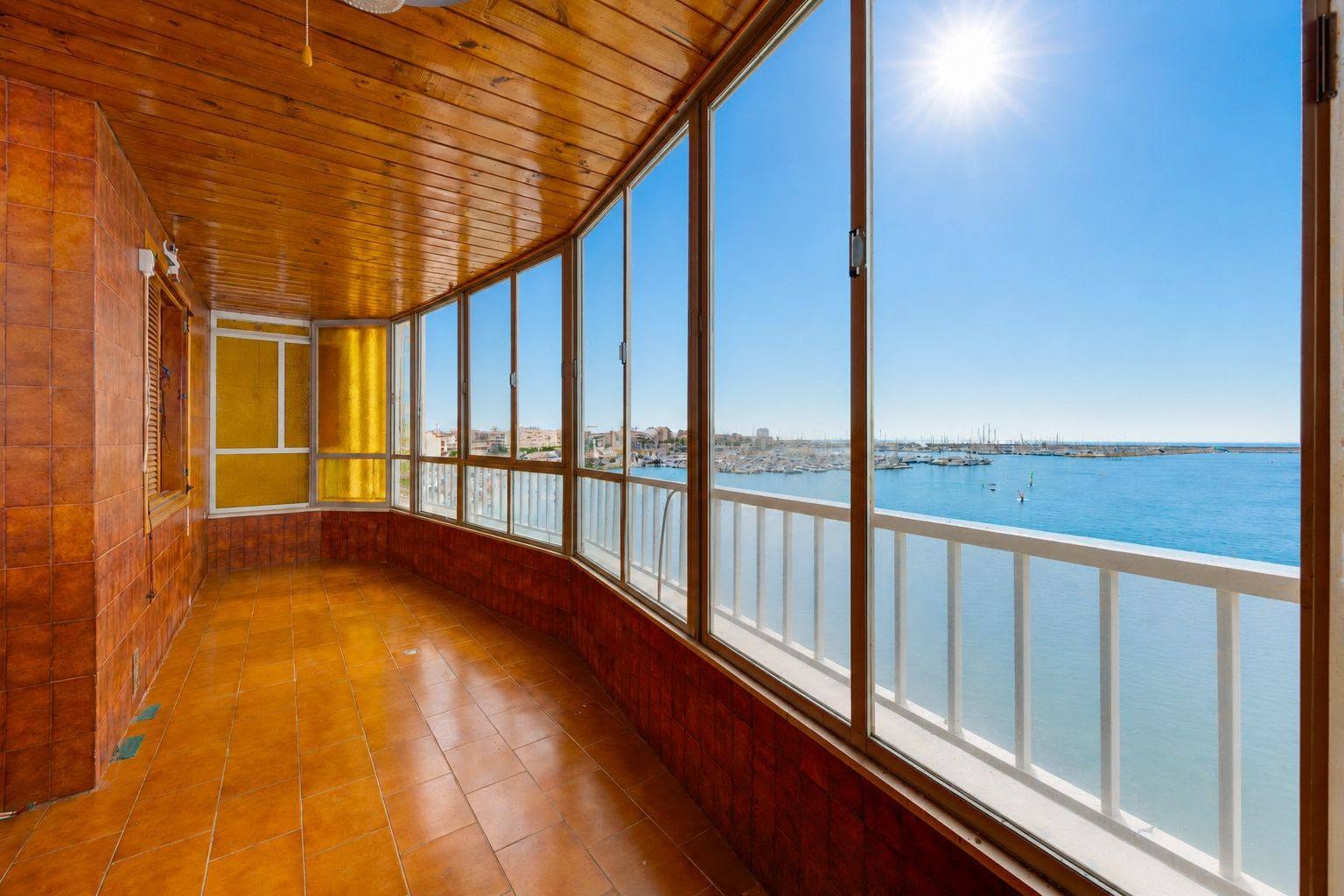
First-line apartment in Torrevieja, by Playa del Acequión
If being close to the sea matters most: this flat is on the front line in Torrevieja, next to Playa del Acequión beach. Photos and details are on the property page.
Sources: Spain’s official tourism site, “A Spanish Christmas” (2021), “Christmas continues in Spain with El Día de los Reyes” (2017) and “Five very Christmassy culinary experiences in Spain”.