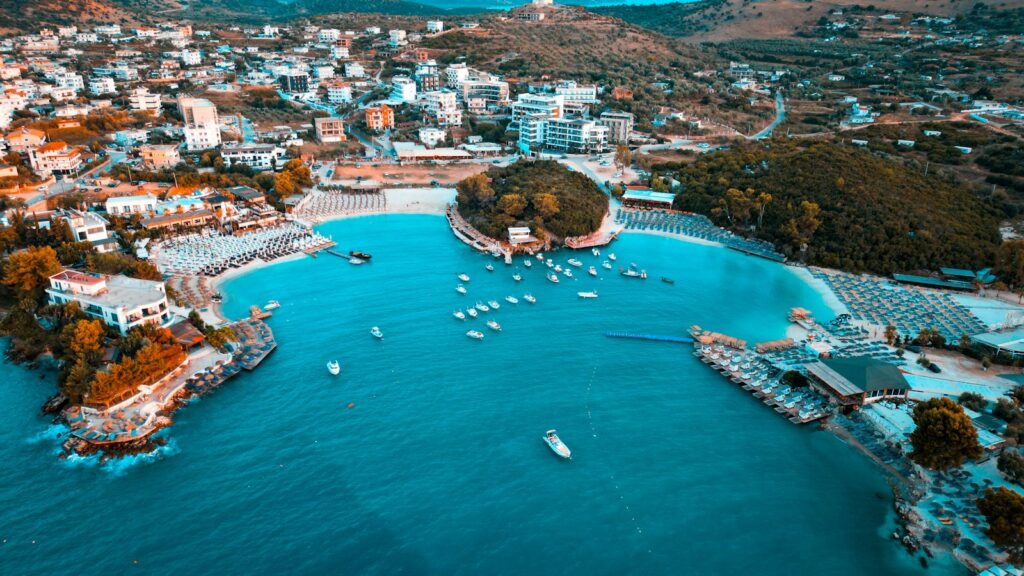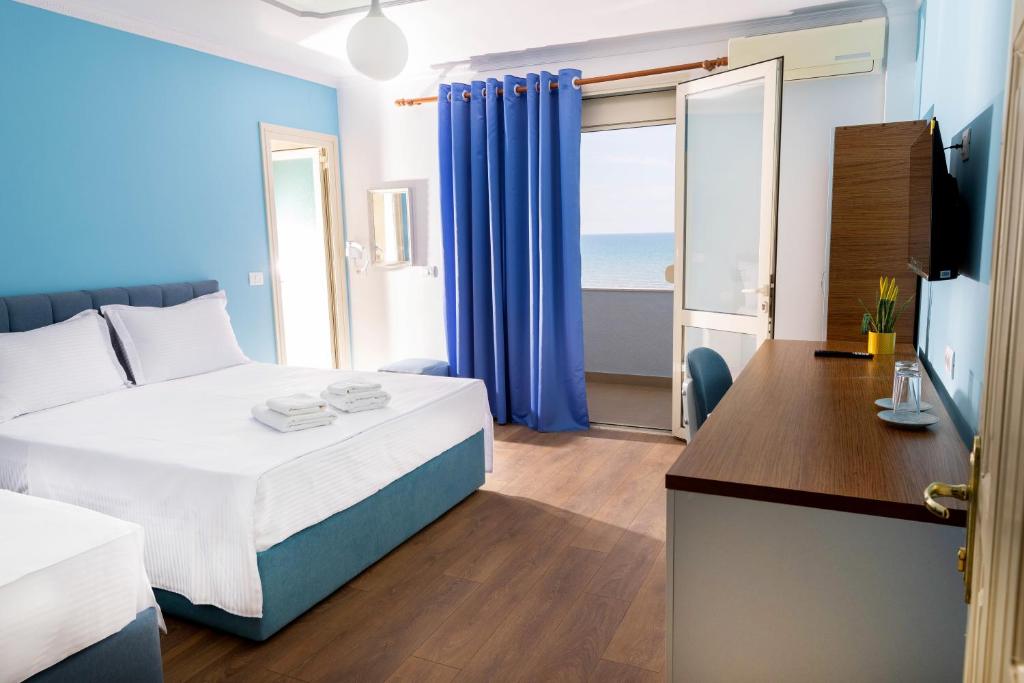
Imagine a Tuesday in late October. The summer crowd has gone, the light is low and golden, and a laptop is open on the kitchen table. Through the window, the sea is the colour of slate. A call starts at ten. At one, there is a walk along a quiet harbour.
IN SHORT
- A holiday home must be lovely for a short stay. A base must be reliable all year.
- Check the connection, the winter access and the everyday services at the exact address.
- Visit in February: one quiet week tells you more than a month in August.
- Residence and tax questions depend on you and the country, so ask local advisers.
For many people, this is the more interesting picture of coastal life. Not two weeks in August, but an ordinary working week in a place that happens to face the sea. Whether it works depends less on the view than on a few practical things.
What turns a coastal place into a base
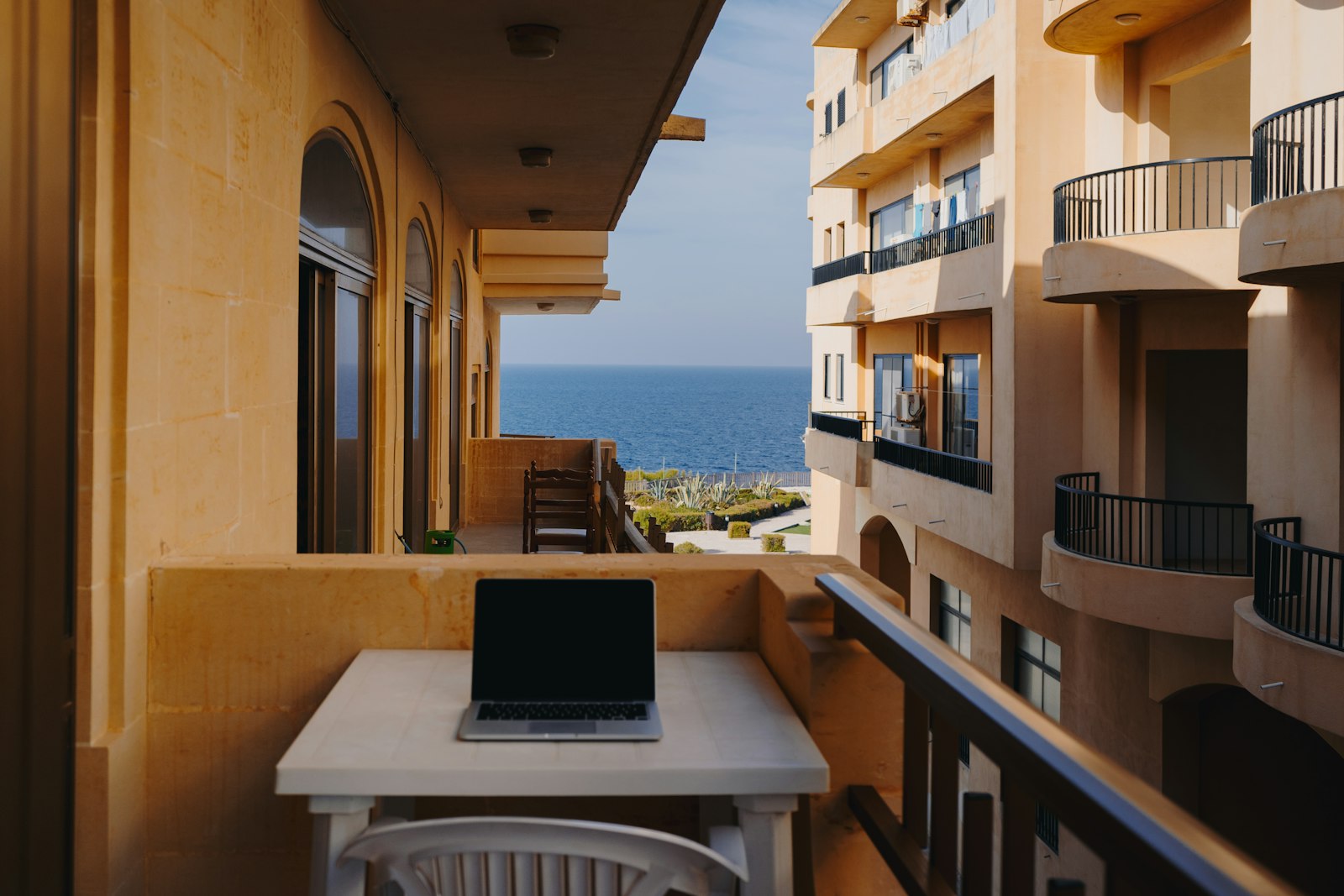
A holiday home has to be lovely for a short stay. A base has to be reliable all year. The difference is in the details that no photograph shows.
The connection
Internet comes first. According to the European Commission, fibre to the premises reached 74.1% of EU households by mid-2025. That is an average. Along a coast, the picture can change from one village to the next, and from one street to the next. The only figure that matters is the one for the address you are considering, so ask for a speed test on site, not a number from a brochure.
Getting in and out
A base only works if you can leave it easily when work asks for a meeting in a room. Look at flights and roads in winter, not in July. Routes that run daily in summer may become less frequent in the colder months. Ask how long the journey to the nearest airport takes, and which connections remain after the season.
Everyday life
A doctor, a pharmacy, a supermarket, a bank branch, a repair person who answers the phone. These are not romantic items, but they decide whether a place is easy to live in. Walk through an ordinary day of errands before you decide.
The winter test
Coastal tourism is concentrated in a few weeks. Eurostat reports that about 31% of overnight stays in EU tourist accommodation in 2025 fell in July and August. In Croatia, more than half did.
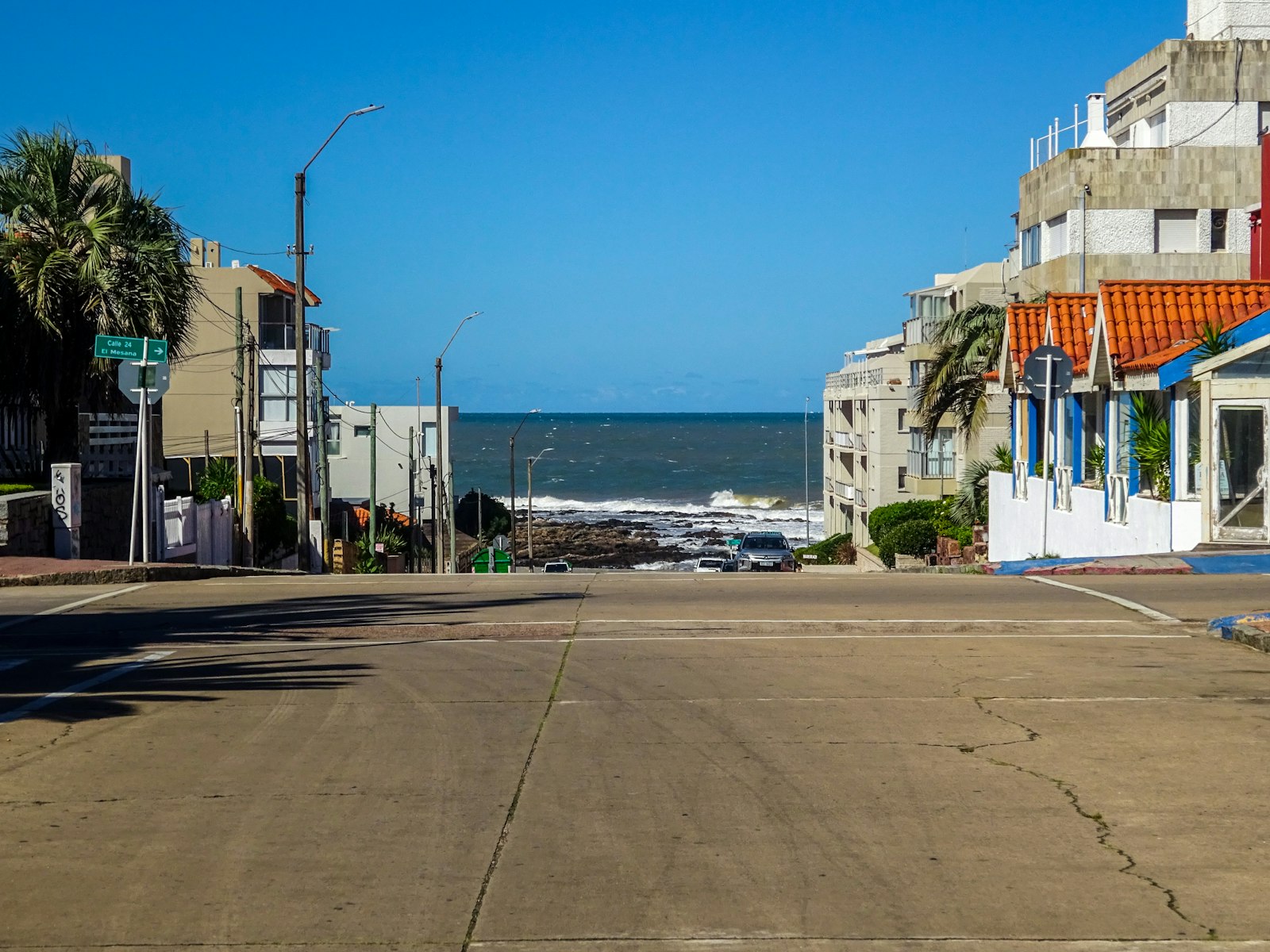
A town built around that rhythm can look very different in January. Some places keep a year-round community, with schools, shops and offices that stay open. Others pause until spring. Neither is wrong, but it is better to know which one you are choosing.
If you can, visit in February. One quiet week tells you more than a month in August.
Five questions before you look for a place
- How fast is the internet at this address, tested on site?
- How long is the journey to an airport, and which flights remain in winter?
- Which everyday services are open all year, within easy reach?
- What does an ordinary weekday in February feel like here?
- Who will look after the property when you are away?
Write the answers down. If you cannot get a clear answer to one of them, that is useful information in itself.
The rules that come with it
Living and working abroad for longer periods raises questions about residence, registration and tax. The answers depend on your citizenship and on the country, and they can change. This article does not give figures for this on purpose. Before you decide, ask a local lawyer and a tax adviser, with your own situation in mind.
A second base, not a postcard
Seen this way, a coastal property is less a holiday and more a second address for a different rhythm: some weeks of work with the sea in view, then back for the meeting that needs a room. For some people it is a base for part of the year. For others it is a place to grow into. Both are reasonable, and neither needs to be decided today.
The Azurian Coast approach
For the properties in the Azurian Coast portfolio, we look at the full-year picture: the connection, the access, the everyday services and what the place is like in winter. We work with only a few clients at a time, and we take the time to understand what the person who contacts us is really looking for. It is rarely exactly what they say in the first conversation.
If you are thinking about a coastal base and would like to talk it through, we are happy to start a conversation.
Frequently asked questions
Can I live and work from a coastal home all year?
It depends on your citizenship, the country and your type of work. Residence, registration and tax rules differ from country to country and can change, so ask a local lawyer and a tax adviser before you decide.
Is fast internet available on every coast?
Not everywhere. The EU average for fibre to the premises was 74.1% in mid-2025, and the figure varies by town and by street. Always test the connection at the exact address.
Do coastal towns stay open in winter?
Some do, and some pause until spring. About 31% of overnight stays in EU tourist accommodation in 2025 fell in July and August, and in Croatia more than half. The best way to know is to visit in the quiet season.
How close should the airport be?
It depends on how often you plan to travel. What matters most is the winter timetable, not the summer one, so check which flights remain after the season.
Is a second base the same as a holiday home?
Not quite. A holiday home is designed for short stays. A second base is a place you can live and work from for longer periods, so connection, access and everyday services matter as much as the view.
ONE PROPERTY FROM OUR LISTINGS
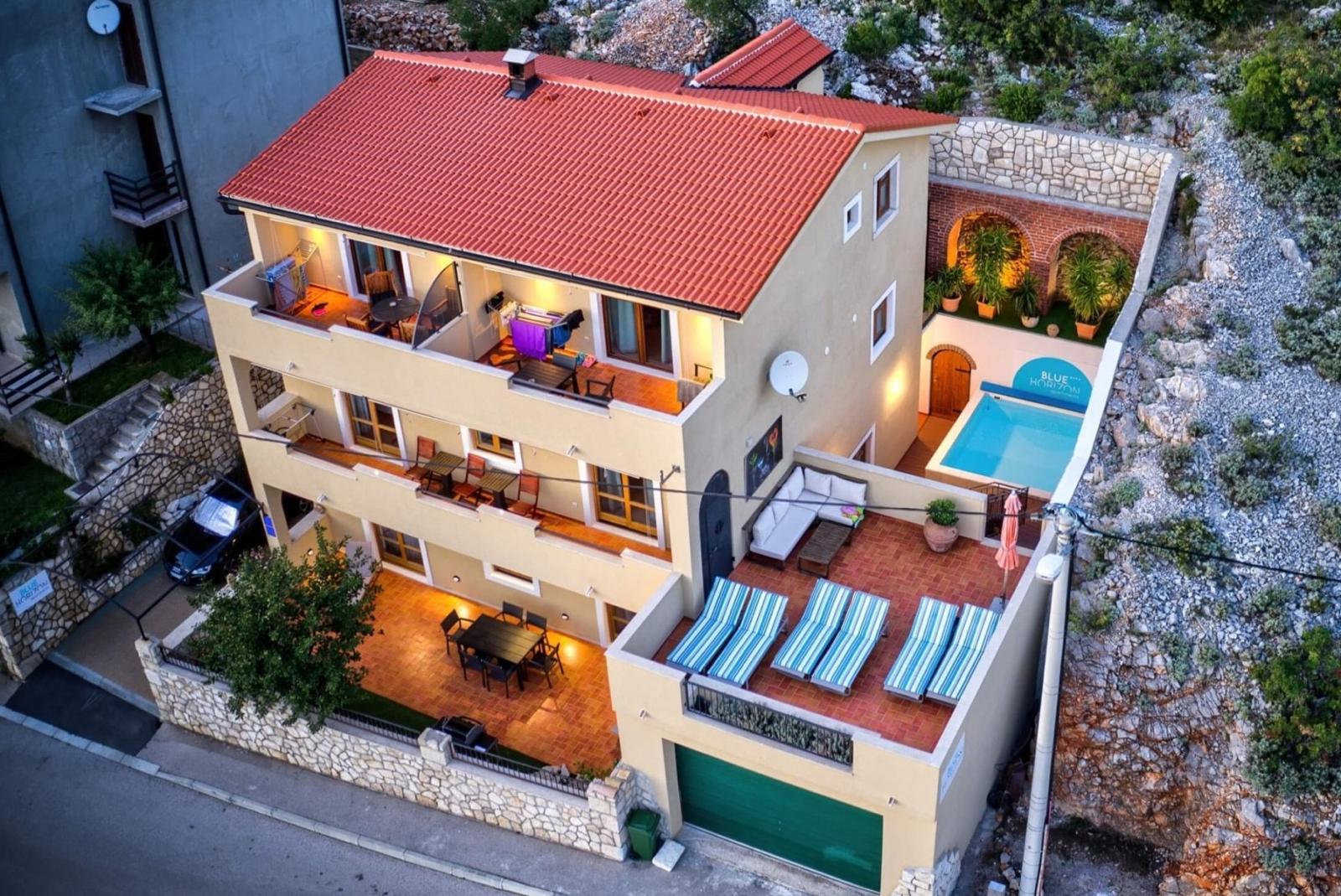
Apartment building in Senj, on the Croatian coast
If rental units matter to you: this house in Senj has apartments and guest rooms, with a saltwater pool. Photos and details are on the property page.
Keep reading
- Buying a Coastal Home Abroad: The Costs Beyond the Price
- Mediterranean Property Yield: The Numbers the Listing Does Not Show
- Second Home in Europe: A New Line Between Living and Operating
Sources (checked: 11 November 2026): European Commission – Connectivity Coverage in Europe 2025; EU Tourism Platform – Eurostat, July–August 2025; Croatia Week – Croatia 54.5% (Eurostat).